Five stages. A fixed order. No water.
Most machines on the market do one thing: UV, or ozone, or spray. CN-200 runs five separate processes in a fixed order, each doing its own job. That sequence is what the patent covers.
The stages in detail
Timeline of the 7-minute cycle — upper chamber.
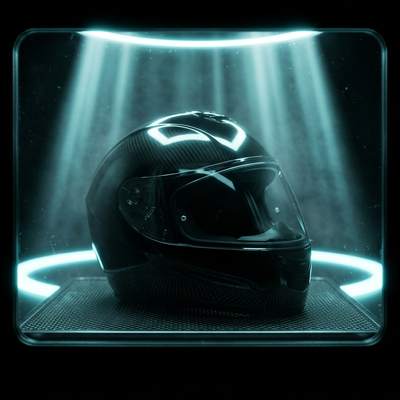
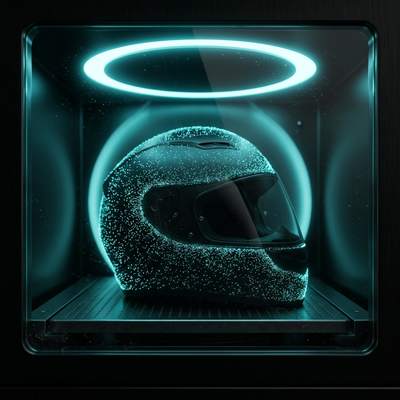
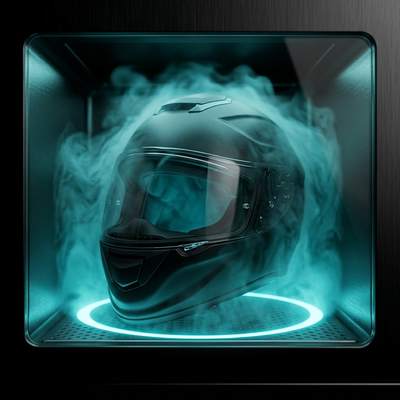
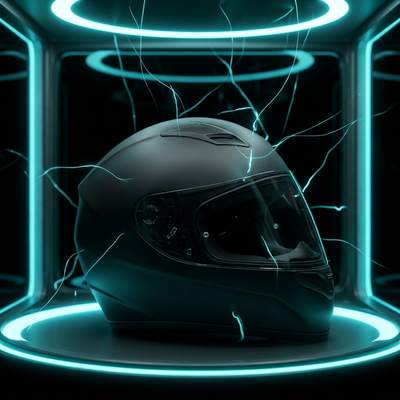
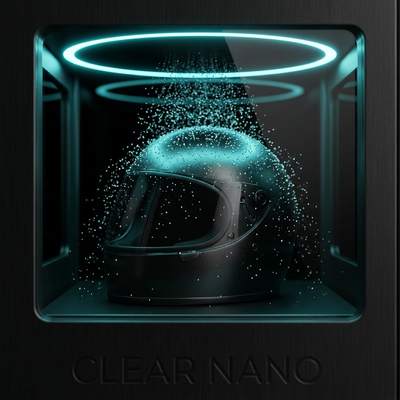
UV amalgam lamp
High-output UV light reaches every exposed surface of the item.
TiO₂ photocatalysis
A titanium-dioxide reaction breaks down organic residue — sweat, oils, grime — at the molecular level.
Ozone
Gas fills the sealed chamber and reaches where light cannot: folds, seams, padding, lining.
Ionisation
Removes static charge and neutralises odour instead of masking it.
Nano-silver + fragrance
A finishing micro-layer of nano-silver, plus one of three fragrances selected on screen.
Why separate stages matter
TiO₂ and nano-silver are two different processes here, not one blended spray. Each runs at full strength in its own part of the cycle.
The lower chamber runs the same sequence on a 10-minute cycle for larger items.
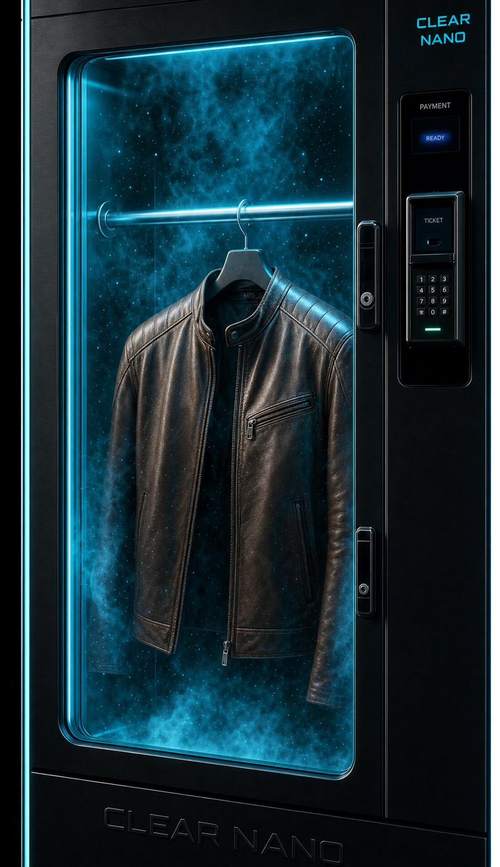
A body built for public spaces.
- Body: 1.5 mm steel, powder-coated matte black
- Ingress protection: IP54 — rain, dust and heat are within spec; the machine can be installed outdoors
- Dimensions: 640 × 530 × 1780 mm (W × D × H)
- Two glass chambers with turquoise LED lighting
- 10″ DWIN touchscreen, multilingual interface
- Payments: cash, card, QR
Service once every 6–8 weeks.
One refill of working liquid lasts 6–8 weeks — about 1,500 cycles. Everything else is visible in a web dashboard: cycles run, revenue collected, liquid level. No app to install, no staff to train.
Patent
The five-stage dry disinfection process is patented. We do not publish filing numbers on the site — documentation is available to buyers on request.